

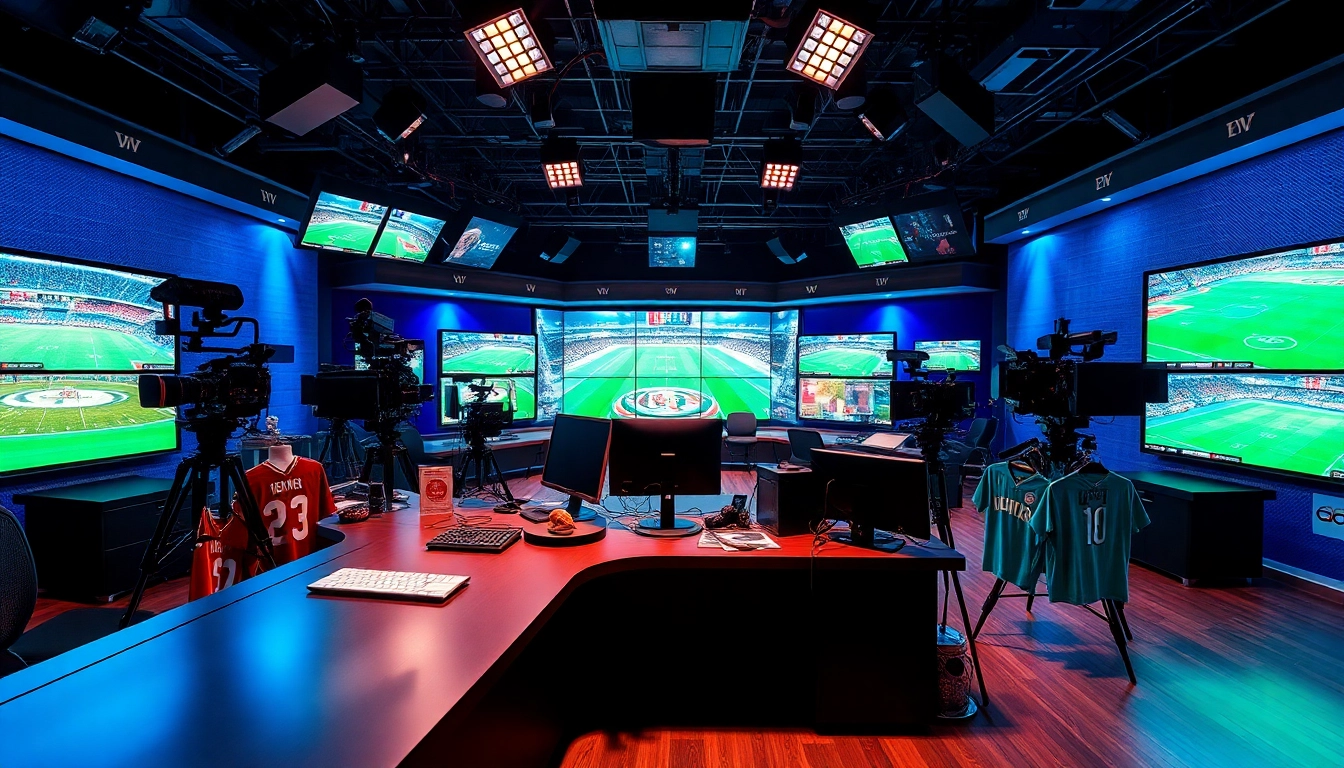
Understanding Sports Broadcasting
What is Sports Broadcasting?
Sports broadcasting refers to the methodical presentation of sports events through various media channels such as television, radio, streaming services, and digital platforms. This not only includes the live coverage of games but also involves pre- and post-game analysis, commentary, highlights, and in-depth reporting. The field has evolved significantly, catering to a global audience and adapting to technological advancements. As a Sports Broadcasting professional, one must understand the myriad components that contribute to effective storytelling within the sports domain.
The Evolution of Sports Broadcasting
The journey of sports broadcasting dates back to the early 20th century when radio broadcasts began to transmit live play-by-play commentary. The advent of television in the 1950s marked a significant transformation, allowing fans to watch their favorite sports in real-time from the comfort of their homes. Over the decades, technology has propelled sports broadcasting further, introducing high-definition visuals, slow-motion replays, and multilayer graphics that enhance viewers’ experiences. Today, digital platforms and social media have ushered in a new era, where streaming and on-demand services allow audiences to engage with sports anytime, anywhere.
The Importance of Quality Production
Quality production is fundamental to captivating an audience and ensuring the integrity of sports broadcasting. This encompasses everything from camera angles to audio clarity and visual effects. High-quality production guarantees that viewers do not miss critical moments of an event—be it a last-second shot in basketball or a penalty kick in soccer. Skilled producers and directors work tirelessly behind the scenes, utilizing industry-standard equipment and innovative techniques to bring sports to life. They ensure that the emotional and communal aspects of sports—such as the thrill of victory or the agony of defeat—are felt by the viewer, thereby reinforcing their connection to the event.
Essential Equipment for Sports Broadcasting
Cameras and Video Technology
In sports broadcasting, cameras are the eyes of the audience, capturing the action from various angles. The choice of cameras depends on the sport and the production budget. High-definition cameras, 4K resolution, and even 360-degree cameras offer diverse viewing experiences. Additionally, robotic cameras mounted on tracks, drones, and handheld cameras provide dynamic shots. Incorporating video technology such as replay systems is also vital; they allow commentators to provide insights and highlight key moments instantly, enhancing the overall viewing experience.
Audio Equipment: Microphones and Sound Systems
For a complete broadcasting experience, high-quality audio is as crucial as video. Microphones should capture not only the announcers’ commentary but also the ambient sounds of the event, like crowd cheers and the ball hitting the ground. This immersive audio experience adds depth to the broadcast. Advanced sound systems, mixing consoles, and surround sound setups ensure that the audience feels the thrill of the game. Additionally, employing lavalier microphones for sideline reporters can facilitate real-time updates and insights from inside the play, adding a layer of engagement.
Software for Editing and Live Streaming
Broadcasting software is vital for editing, mixing, and producing content. Programs like video editing software and live streaming platforms help streamline the production process. With live broadcasting, software solutions must offer low-latency streaming, robust broadcasting tools, and compatibility with various audio and visual formats. Moreover, advanced graphics and real-time data integration elevate the viewing experience, allowing broadcasters to deliver statistics, player profiles, and breaking news during live telecasts. As technology progresses, staying updated with the latest software trends and applications remains essential for any broadcasting professional.
Best Practices in Sports Broadcasting
Creating Engaging Content
Engagement is the cornerstone of successful sports broadcasting content. Broadcasters should strive to tell compelling stories surrounding the sport, players, and teams, enhancing viewer investment in the event. Utilizing a mix of interviews, behind-the-scenes footage, and expert analysis helps cultivate a more enriching viewing experience. Another effective practice is to incorporate fan interactions through social media channels, prompting discussions and giving airtime to audience opinions. This two-way communication fosters a sense of community, enhancing overall viewer loyalty.
Effective Audience Engagement Strategies
To further engage audiences, broadcasters should utilize interactive tools, such as live polls, Q&A sessions, and fantasy sports elements. Offering platforms for fans to voice their predictions or opinions on game outcomes fosters deeper connection. Additionally, personalized viewing experiences are becoming increasingly relevant. Tailoring content to specific demographics, such as age or interests, helps maintain engagement across diverse viewer groups. The incorporation of real-time statistics and analytics during broadcasts also adds excitement, enabling viewers to follow the game’s progression closely.
Using Analytics to Measure Success
Analytics are indispensable in understanding audience behavior and preferences in the competitive field of sports broadcasting. By leveraging data such as viewer ratings, social media interactions, and audience feedback, broadcasters can identify successful content and adjust their strategies accordingly. Implementing A/B testing on different content formats or timing can provide insights into what resonates most with the audience. This data-driven approach allows broadcasters to refine their offerings continuously, boosting viewership and establishing brand loyalty within the sports landscape.
Challenges in Sports Broadcasting
Technical Challenges and Solutions
Technical challenges are a constant in sports broadcasting, ranging from equipment failures to connectivity issues. Ensuring reliable technology is critical; therefore, comprehensive checks and maintenance protocols must be executed beforehand. Backup systems for both audio and video should be in place so that disruptions can be minimized. Moreover, investing in training and keeping abreast of new technologies helps mitigate unforeseen technical issues. Continuous training sessions for staff can also ensure that they are prepared to deal with technical meltdowns as they arise.
Adapting to Rapid Changes in Technology
In an age where technology evolves rapidly, sports broadcasters face the challenge of keeping up with trends like 5G broadcasting, smart devices, and AI integration. Adaptation necessitates flexibility in workflows and regular updates to equipment and software. Organizations should allocate resources for ongoing education and research to equip their teams with the latest skills and knowledge. Collaborating with tech companies could also provide insights about upcoming technology trends and their potential applications in sports broadcasting, ultimately enhancing operational efficiency.
Managing Live Events and Timing
Live sports events are dynamic and unpredictable, posing unique challenges in timing and logistics. Coordinating with multiple stakeholders—from production teams to on-field crews—requires impeccable communication and organizational skills. Developing a comprehensive timeline and contingency plans ensures that everyone knows their roles before and during the event. Additionally, utilizing communication tools like walkie-talkies or specialized apps can help maintain real-time updates. The ability to remain calm under pressure and adapt to sudden changes is paramount for all staff involved in the live sports broadcasting process.
Future Trends in Sports Broadcasting
Emerging Technologies in Sports
The sports broadcasting industry is poised for transformative changes propelled by emerging technologies such as artificial intelligence and machine learning. AI can enhance viewer experiences by providing personalized content recommendations and real-time statistics during broadcasts. Furthermore, augmented analytics can help broadcasters analyze audience data to improve engagement strategies. As a result, broadcasting can become more tailored and interactive, enriching how fans experience their favorite sports.
Virtual and Augmented Reality Experiences
Virtual reality (VR) and augmented reality (AR) are revolutionizing how viewers engage with sports, offering immersive experiences that traditional broadcasts cannot replicate. For instance, VR allows fans to experience games from different vantage points, virtually sitting alongside players or on the sideline. Similarly, AR technology can overlay statistics and player information on the screen in real time. This forward-thinking approach not only elevates the viewing experience but also opens avenues for sponsorship and advertising in innovative ways.
The Impact of Social Media on Sports Broadcasting
Social media has integrated itself into the fabric of sports broadcasting, affecting how content is created, distributed, and consumed. Live tweeting during broadcasts, Instagram stories featuring highlights, or Facebook Live interactions are just a few examples of how media is evolving. Social platforms also serve as vital communication channels, allowing broadcasters to reach their audience directly and instantaneously. As air time competes with digital platforms, understanding social media’s role in sports broadcasting helps create strategies that maximize reach and impact.
FAQs About Sports Broadcasting
What types of media are used in sports broadcasting?
Sports broadcasting utilizes various media including television, radio, online streaming services, and social media platforms to deliver content to audiences globally.
How has technology changed sports broadcasting?
Technology has dramatically improved sports broadcasting through high-definition video, immersive audio, and interactive platforms, creating richer viewing experiences.
What are common challenges in sports broadcasting?
Common challenges include technical failures, adapting to technological advancements, and managing the complexities of live event coverage, all of which require careful planning and execution.
How can analytics improve sports broadcasts?
Analytics can provide insights into viewing habits and preferences, helping broadcasters tailor content, enhance audience engagement, and improve overall performance.
What role does audience engagement play in sports broadcasting?
Audience engagement fosters a sense of community among fans, increases viewership loyalty, and enhances the overall experience through interactive features and feedback opportunities.